How Underground Garages Differ from Open Parking Structures
Building codes treat open parking structures (with large openings to the outside air) differently from enclosed and underground garages. Enclosed garages rely on mechanical ventilation, are usually sprinklered and are separated from other uses in the building by fire-rated construction. For door closers, that means three things: air pressure, moisture and fire separations. Open structures are covered on our parking garage page.
Ventilation Pressure: Doors That Won't Close or Won't Open
Exhaust and supply fans, often controlled by CO sensors, create pressure differences between the garage, the stairs and the elevator lobbies. A door that closes fine at night may stand ajar when fans ramp up, or become hard to open. Set the closer with the ventilation running at its normal and high speeds: adjust latch speed first, then power size, and verify opening force. Vestibules at elevator lobbies help separate pressure zones.
Humidity, Condensation and Corrosion
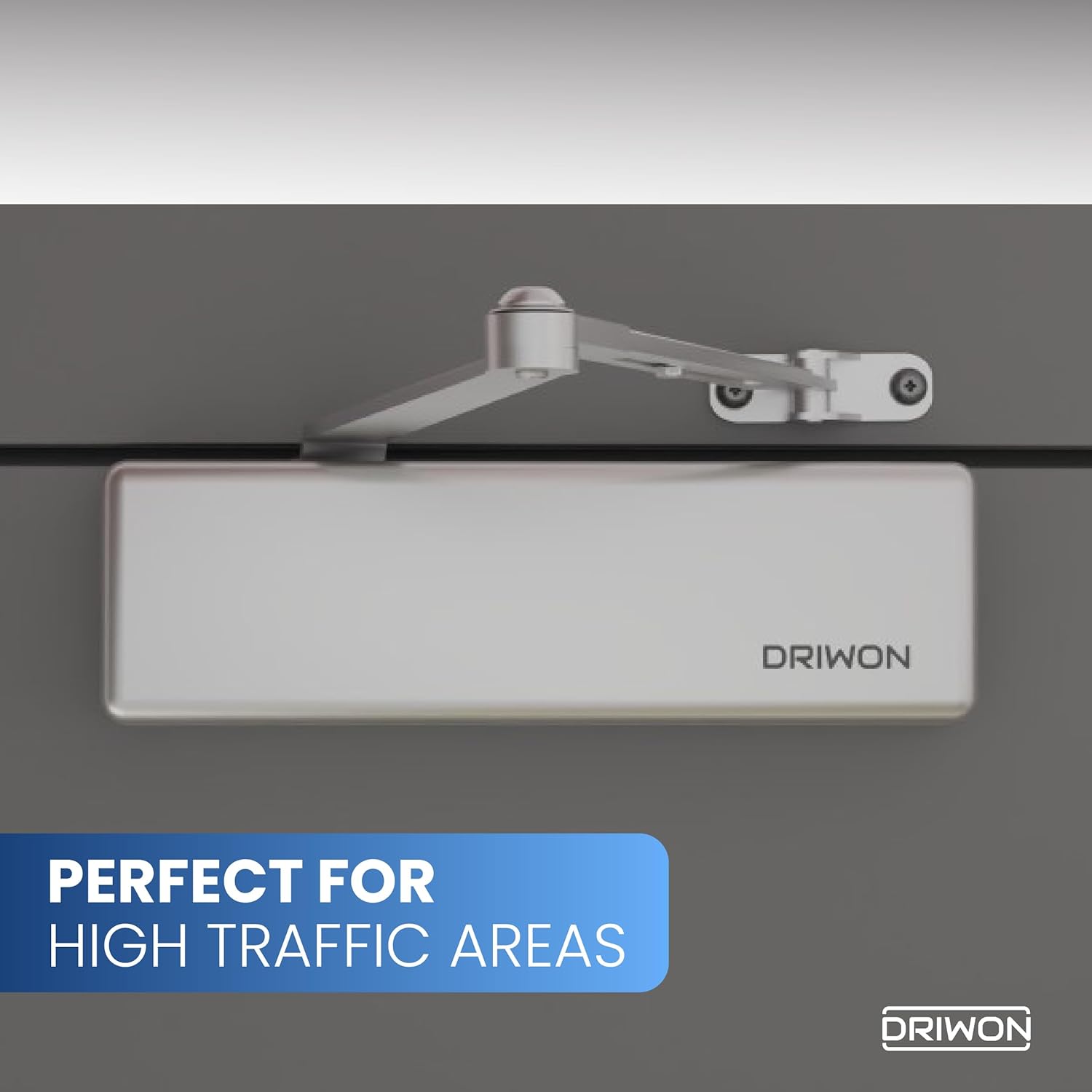
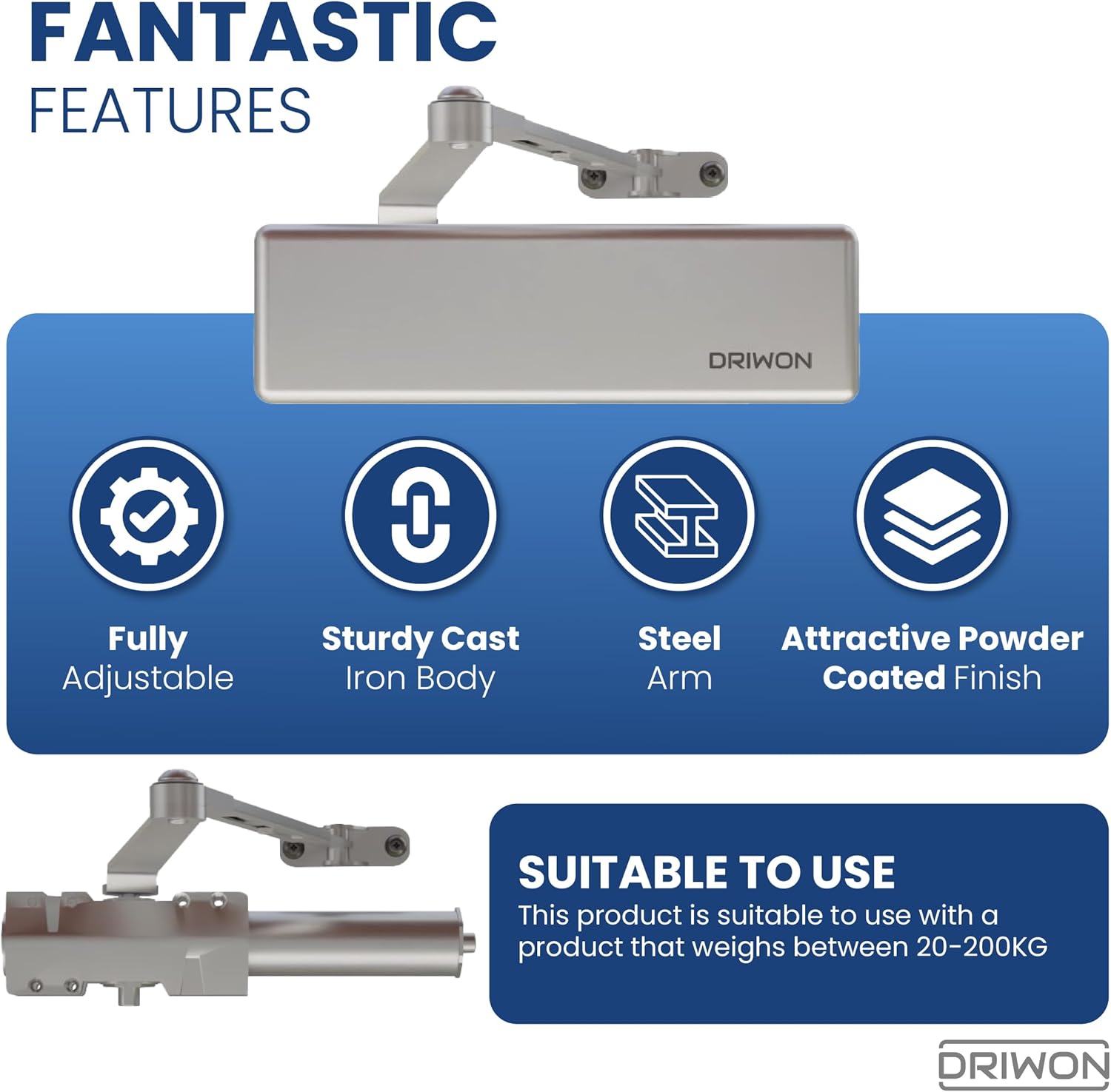
Below-grade garages are damp: cars bring in rain and snow, concrete sweats and air is often humid. Use a closer with a corrosion-resistant finish like the powder-coated DN-9500, keep valves and arms clean, and inspect closers at least twice a year.
Fire Separations Between the Garage and the Building
Doors from the garage to elevator lobbies, stairs, corridors and the building above are typically fire-rated, self-closing and latching. They are among the most important doors in the building because they keep smoke and fumes from a garage fire out of occupied floors. The DN-9500 is UL listed and 3-hour fire rated when installed on a rated door assembly. Never prop these doors open; use hold-opens released by the fire alarm where doors must stay open.
Tip: Residential towers often have heavy traffic between the garage and the elevator lobby. A
delayed action setting helps residents with groceries, strollers and luggage, without leaving the fire door open.
Under the 2010 ADA Standards for Accessible Design (section 404), interior hinged doors must open with no more than 5 lbf, and a closer must be adjusted so the door takes at least 5 seconds to swing from 90° to 12° from the latch. Fire doors are the exception on opening force: the authority having jurisdiction sets the minimum. Always check local code and your AHJ.
Specifying Closers for an Underground Garage
- List every garage door: lobby, stair, service, trash and storage rooms.
- Read fire labels and identify fire separations to the building.
- Note ventilation zones and set closers with fans running.
- Choose corrosion-resistant finishes and schedule inspections.
See also stairwell door closers, apartment building door closers and the fire-rated door closer guide.
DRIWON DN-9500 Specifications
| Model | DRIWON DN-9500 extra heavy duty commercial door closer |
|---|
| Certification | ANSI/BHMA A156.4 Grade 1; UL listed |
|---|
| Fire rating | 3-hour fire rated when installed on a rated door assembly |
|---|
| Power size | Adjustable 1–6 |
|---|
| Door weight | 44–440 lbs (20–200 kg) |
|---|
| Door width | 23"–59" (58–150 cm) |
|---|
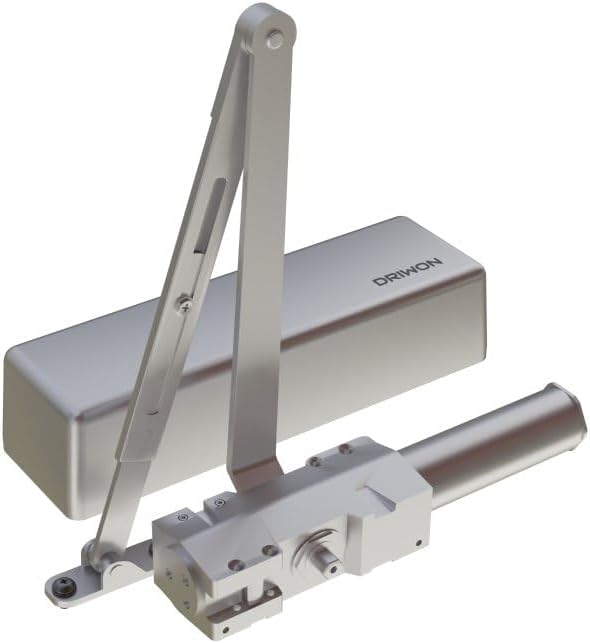
| Body / arm | Extra heavy duty cast iron body, wrought steel arm, heat-treated piston |
|---|
| Control | Hydraulic, with delayed action and secure positive latch |
|---|
| Finish | Corrosion-resistant powder coat, silver or black |
|---|
Need the lighter-duty option for interior doors? See the DRIWON DN-8220 Grade 1 door closer. Full details on the DN-9500 product page.